Wagonwheel Font: A Delicate Script for Beautiful Handmade Projects
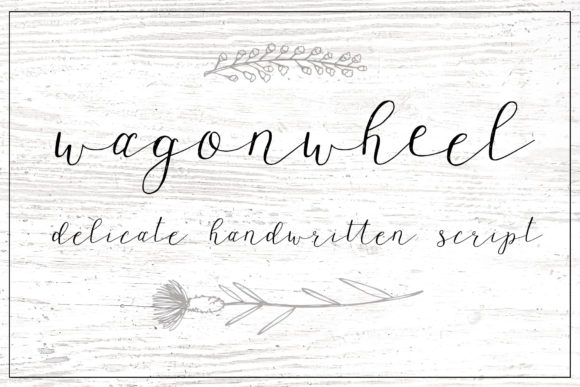
If you're a crafter, Etsy seller, or printable product designer who values both beauty and readability, the Wagonwheel font is a perfect addition to your design toolkit. This Script Handwritten typeface brings a soft, natural charm that evokes the warmth of a summer sunrise, the comfort of sipping tea on a quiet morning, and the gentle sway of wildflowers in the breeze. As someone who creates physical products, labels, stickers, invitations, signs, templates, SVG-style designs, and digital downloads, you know how important it is to choose a font that feels personal yet professional. Wagonwheel delivers just that.
Wagonwheel for Wedding Invitations and Elegant Branding
The Wagonwheel font shines when used for wedding invitations and other high-end stationery. Its delicate curves and flowing script make it ideal for names, titles, and romantic phrases. Imagine using Wagonwheel for the bride and groom’s names on your next set of handmade invites — it adds an air of elegance without being over-the-top. It's also great for branding purposes if you're launching a boutique line of handcrafted goods or offering custom stationery services. The consistent style across all your materials can help build a strong brand identity, making your shop more recognizable and trustworthy to customers.
Perfect for Farmhouse-Themed Signs and Decor
One of my favorite uses for Wagonwheel is in farmhouse-style signage. Whether you’re designing a rustic welcome board for a client’s home or creating a seasonal display for your own shop, this handwritten script blends beautifully with natural textures like wood, burlap, and linen. I've used it on holiday wreaths and chalkboard-style prints, where its softness stands out against bold colors and organic shapes. Because of its subtle details, it looks hand-painted even when printed digitally — a big plus for any craft project aiming to feel authentic and cozy.
Wagonwheel in Product Labels and Sticker Designs
As a small shop owner, I often need fonts that are both attractive and easy to read at smaller sizes. Wagonwheel checks both boxes. It works wonderfully for product labels, especially those used on candles, soaps, and other self-care items. Its gentle script gives off a calming vibe, which is exactly what customers expect from artisanal goods. When paired with a clean sans serif font for body text, it maintains clarity while still feeling handcrafted.
For sticker designs, Wagonwheel is a dream. Its open letterforms and graceful strokes ensure legibility even when cut with a Cricut or Silhouette machine. I’ve used it for birthday stickers and gift tags, where the font’s personality adds a personal touch. Just be sure to test the font at scale before cutting, as some swashes might require slight adjustments depending on your material and machine settings.
Using Wagonwheel for Greeting Cards and Seasonal Printables
Handmade greeting cards are one of my go-to products, and Wagonwheel has become a staple in my design process. Its handwritten feel makes each card look unique, even when mass-produced as a digital printable. For spring and summer themes, the font’s light, airy appearance matches the imagery of blossoms and warm weather perfectly. You can pair it with floral illustrations or watercolor backgrounds to enhance the overall aesthetic.
I also use Wagonwheel in seasonal printables like Easter banners, Mother’s Day tags, and Father’s Day mugs. Its versatility allows me to switch between decorative and functional text easily. For example, I’ll use it for a title in a large size and then opt for a simpler version or alternate character for the rest of the message, ensuring everything remains readable but still cohesive.
Wagonwheel for Wall Art and Planner Pages
Wall art is another area where Wagonwheel truly comes into its own. I love using it for motivational quotes, poetry excerpts, and nature-themed sayings. Its organic flow gives the artwork a relaxed, artistic quality that many customers find appealing. Since it’s a script handwritten font, it naturally fits into modern calligraphy trends and offers a fresh take on traditional typography.
Planner pages benefit from Wagonwheel too. While it’s not suited for long blocks of text, it works well for headers, section dividers, and decorative accents. I’ve created several bullet journal layouts featuring this font, where it adds visual interest without overwhelming the user. Pairing it with a minimalist sans serif font ensures your layout stays balanced and easy to navigate.
Creating Customer-Friendly Packaging with Wagonwheel
When it comes to packaging design, first impressions matter. Wagonwheel helps your products stand out by adding a personal, artisanal flair to your labels and tags. I've used it on boutique-style gift bags and jars filled with homemade treats. The font’s warmth invites customers to connect emotionally with your brand — something that can significantly influence their purchasing decisions.
Its multilingual support is also a bonus for international sellers or clients who appreciate personalized touches in multiple languages. If you're creating digital download products or SVG-style designs for global audiences, Wagonwheel ensures your message remains clear and charming no matter the language.
Commercial Use and Licensing for Wagonwheel
One thing every creative needs to consider is licensing. Wagonwheel is a commercial font, meaning you can confidently use it for selling physical products, digital downloads, templates, and client work. I always double-check the licensing terms before including a font in my projects, especially since I offer SVG-style designs and branded templates. Knowing that Wagonwheel supports commercial use gives me peace of mind and lets me focus on the creative side of things.
Whether you're crafting for profit or passion, having access to a font that’s legally usable for commercial projects is essential. Wagonwheel’s licensing flexibility means it can grow with your business, from hobbyist creations to full-scale production runs.
Pairing Wagonwheel with Other Fonts for Balance
While Wagonwheel is expressive and elegant on its own, combining it with complementary fonts can elevate your designs further. I often pair it with a simple serif or sans serif typeface to create contrast and guide the viewer’s eye. For example, a bold sans serif for pricing and a soft Wagonwheel for product names makes your packaging feel intentional and well-designed.
Another popular combination is using Wagonwheel alongside a modern geometric font for logo design or social media graphics. The juxtaposition of a flowing script with sharp lines can create a visually striking balance. Just remember to keep the pairing minimal — sometimes two fonts are enough to make a statement without becoming cluttered.
Real-World Examples of Wagonwheel in Action
To give you a clearer idea of how Wagonwheel can fit into your workflow, here are a few real-world examples:
- Candle Labels: Used Wagonwheel for short, poetic descriptions like “Morning Mist” or “Golden Hour.”
- Birthday Invitations: Featured the recipient’s name in a large Wagonwheel headline, with a sans serif font for event details.
- Farmhouse Welcome Boards: Combined Wagonwheel with brush strokes and vintage elements for a hand-painted look.
- Printable Wall Art: Highlighted inspirational quotes in Wagonwheel, keeping the rest of the design clean and uncluttered.
- Holiday Tags: Added festive greetings in Wagonwheel for a personalized, handmade feel.
Each of these applications benefits from the font’s readability and charm. It doesn’t sacrifice practicality for aesthetics, which is why I keep coming back to it for various projects.
Testing Readability in Small Spaces
Even though Wagonwheel is beautiful, it’s important to consider how it looks in different contexts. I always test it in small spaces, like product tags or mug decals, to ensure it remains legible. Here are a few tips I’ve picked up along the way:
- Use a solid stroke weight when scaling down; avoid overly thin or intricate characters.
- Test the font on mockups before printing to see how it appears under different lighting conditions.
- Check for spacing issues — especially in longer phrases — to maintain a clean and professional look.
- Opt for the included alternates when needed for better flow and variety in repetitive designs.
These small adjustments can make a big difference in the final presentation of your products, especially when using cutting machines or heat transfers.
Why Wagonwheel Belongs in Your Design Toolkit
Choosing the right font isn’t just about looking pretty — it’s about building trust, expressing your brand, and creating emotional connections with your audience. Wagonwheel does all three. Its Script Handwritten style speaks to the growing trend of personalized, artisanal goods, while its structure ensures your messages remain clear and professional.
I’ve found that using Wagonwheel improves the perceived quality of my products. Customers don’t just notice the design — they feel it. That kind of emotional appeal is hard to quantify but invaluable to sell. Whether you're designing for a niche market or expanding your offerings, this font is a versatile tool that enhances everything from packaging to printables.
If you haven’t already tried Wagonwheel, now’s the time. Its blend of beauty and function makes it a must-have for anyone serious about Fonts that reflect creativity and care.